Enterprise AI that keeps going after adoption — into operation
XGEN is an AX Evolution Platform that grows enterprise AI step by step. Agents, knowledge and tools you build become operational assets you extend to the next workload.
Deployment, monitoring and improvement continue on the same platform after the PoC.
02
Assets, not scattered projects
Agents, knowledge and tools are shared and reused in the next workload.
03
Improvement, not fixed output
Execution records and evaluations are used to refine how work gets done.
AX Evolution Model
Build once, keep evolving
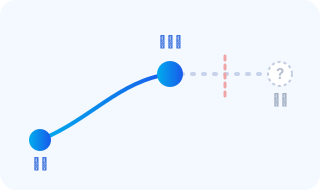
Enterprise AI grows in stages: understand → execute → collaborate → evolve. XGEN provides the capabilities each stage needs.
01
UnderstandAssisted
Answers questions and understands internal documents.
Knowledge · RAGOntology
02
ExecuteAugmented
Connects to systems and carries out tasks.
AgentflowPathFinder
03
CollaborateAutonomous
Multiple agents split roles and work together.
Multi-AgentA2A
04
EvolveSelf-Evolving
Refines how work is done from execution records and evaluations.
GenyLLMOps
6 Capabilities
The core capabilities behind each stage
Purple marks technology developed in-house by Plateer AI Labs.
01
Knowledge
Enterprise knowledge that deepens as it grows
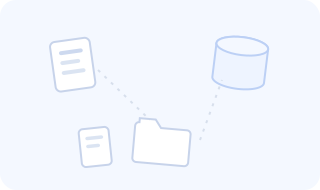
Re-reads documents by meaning and relationship. A hybrid Vector + Graph structure finds the evidence and the relations behind an answer.
Ontology RAGGraph DBDynamic Top-K
02
Workflow
Business agents built by the business
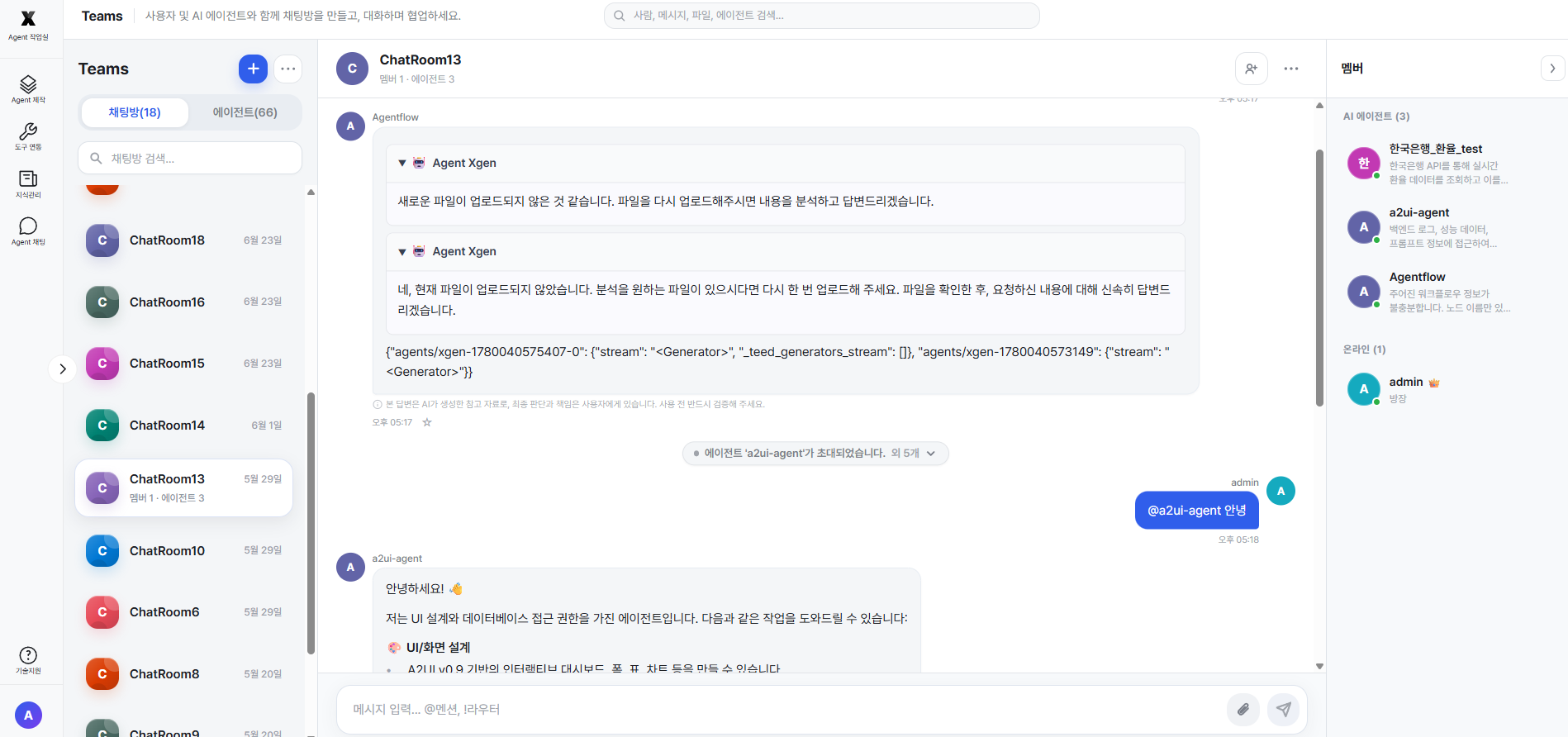
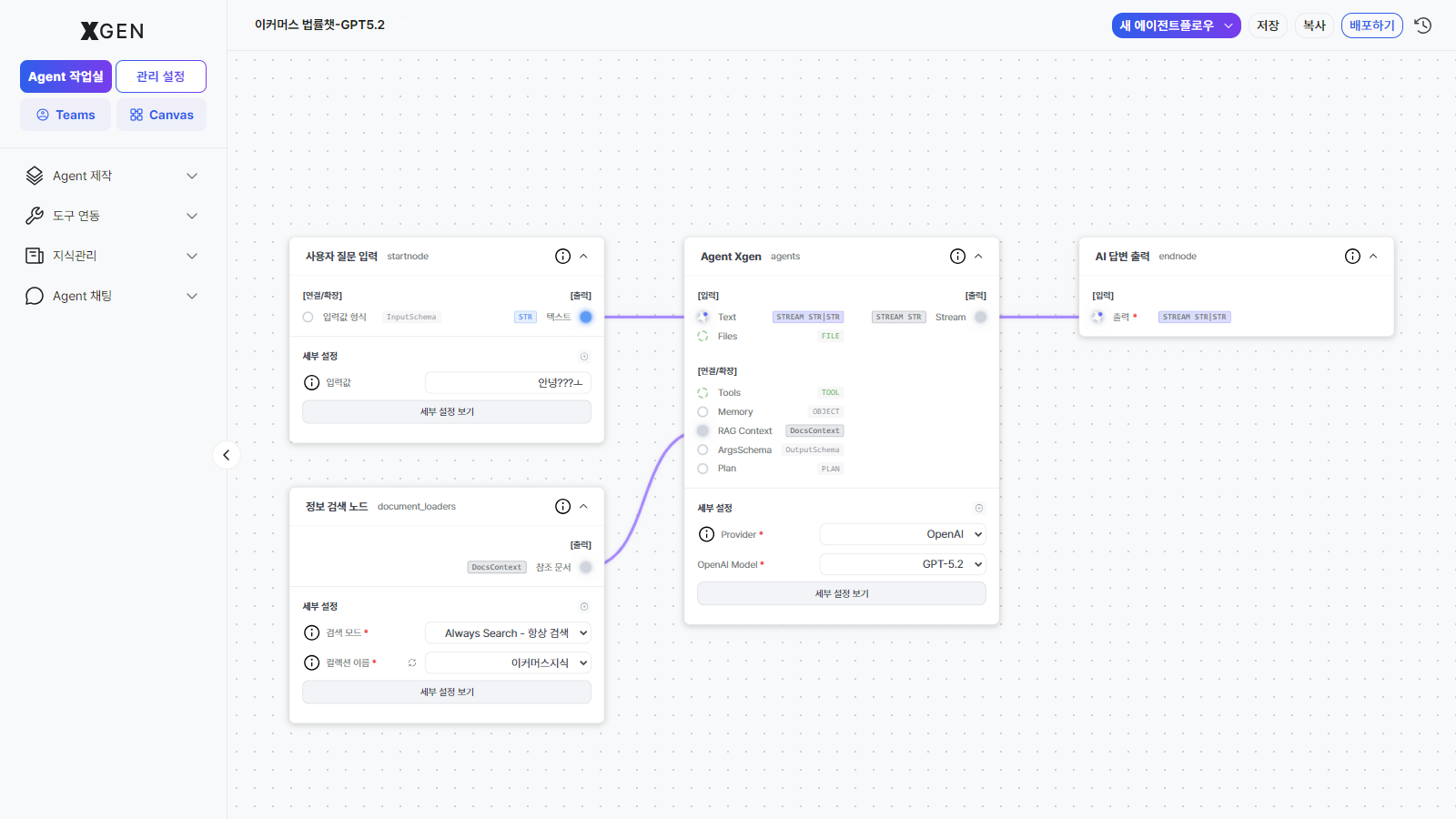
Design workflows on the canvas and turn existing APIs into tools with PathFinder. Vibe Coding in DexOn builds agents and apps through conversation.
PathFinderVibe CodingAgent Builder
03
Model
Reasoning that passes verification
Picks the model that fits the task and raises consistency with multi-step verification and judge evaluation.
Harness EngineeringMulti-LLM
04
Orchestration
Build once, run in many places
Agents collaborate by role, and the MCP Compiler manages execution logic to support standalone runs.
MCP CompilerSDKA2AMulti-Agent
05
Operations
Operations that improve with use
Real-time monitoring and evaluation-feedback loops manage performance and trace execution history. Geny reviews its approach after each conversation and applies it next time.
GenyLLMOpsEvidence
06
Governance
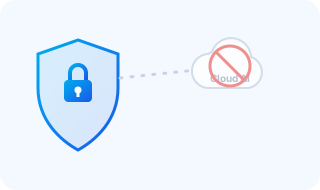
Data sovereignty, even air-gapped
Applies RBAC/ABAC access control, multi-layer guardrails, approval routes and AI risk review in on-premise environments.
Approval & risk reviewRBAC/ABACAudit log
Scope and behavior depend on the deployment environment and configuration.
XGEN · Agentic AI Platform
XGEN is different
It doesn't stop at the pilot — the proof is in numbers validated in real on-premise operation.
Local
On-premise deployment support
Network separation · data sovereignty
110+
Built-in tools and plugins
Extensible with your own
Grade 1
National GS certification
Verified by third-party testing
20
Public libraries
Install with pip or npm
15-day free trial·Start XGEN right in your browser — nothing to installStart free trial
4 Core Values
The core values enterprise AI operation rests on
Building the AI is not where it ends. Connecting it, operating it, governing it, and continuing to extend it — XGEN provides the whole path on one platform.
Intelligent orchestration
(Agentic AI)
Proactive automation through multi-agent workflows and task routing
Dependable answers
(Grounded Answers)
Hybrid RAG and five-stage precision retrieval keep answers grounded and hallucination low
Flexible model selection
(Multi-LLM Routing)
GPT, Claude, private LLMs — dynamic model selection per requirement, with no vendor lock-in
High-availability operation
(High Availability)
Supports k3s high availability and GitOps deployment. Service continuity depends on redundancy, health checks, and application configuration.
Build for Everyone
Enterprise AI built by the people who do the work
Without development knowledge, business users design agents themselves and connect them to existing systems. Cutting out the complicated development path turns an idea directly into AI that can be used at work.
Inside DexOn, move from vibe coding—describing the agent or app you want in natural language—to hands-on code editing. Project context, implementation, execution, testing, and error correction stay in one continuous flow.
DexOn is XGEN's Device Interface workspace for connecting agents to the user's PC, phone, and tablet working environments. Within the scope you allow, it uses files and applications on each device to produce real deliverables.
PathFinder connects web systems and APIs as Agent Tools an AI agent can use. Sign-in, connection, testing, and registration are automated without code, so existing systems extend quickly into an AI working environment.
Connection through browser automation
Sign-in, API, tool registration, and testing — all no-code
A guided drag-and-drop builder lets non-developers combine knowledge, prompts, and tools into an agent. The moment it exists, you validate it in chat.
Drag-and-drop, no-code build
Step-by-step guided setup
Built and assembled in about 90 seconds
Business Value
AI is no longer a build — it is a new standard for running the business
Enterprises have moved past simply adopting an AI model. They are choosing an operating platform that connects existing systems to AI safely and applies it to real work on a foundation of security and governance. XGEN is not a platform for adopting AI — it is the Enterprise AI platform for continuously extending how you run it.
Five changes XGEN adoption delivers
Past feature advantage — five outcomes that become organizational strength on day one: efficiency, risk, trust, flexibility, and regulatory readiness, all on one platform.
01Efficiency
Efficiency gains
Fast, accurate RAG-based retrieval cuts the time repetitive internal work takes
02Risk Management
Risk minimized
Five categories of risk — model, data, security — controlled up front for a safe AI environment
03Trust
Trust established
Minimal hallucination and transparent evidence raise internal users' confidence
04Flexibility
Room to grow
Multi-LLM operation through the Model Router secures the best cost-performance structure without lock-in
05Compliance
Regulatory compliance
Transparent governance aligned with AI-MASTER criteria and data security law
What actually changes versus the old approach
The same AI, operated differently. Moving past build-style SI and PoC-bound approaches, XGEN shifts to a model where business teams run AI on a finished platform.
01
An operating platform, not build-style SI
ResultShorter build time — months of building down to weeks to operational readiness
Before
Built anew for every project, so build time and maintenance cost keep climbing
XGEN
Services composed on a finished platform by combining agents, RAG, and workflows
02
Past PoC, into real operation
ResultPast the PoC, in use in production straight away
Before
AI that passes technical validation but never reaches the actual work
XGEN
Enterprise AI services usable immediately in an operating environment that includes permissions, security, and audit
03
AI built by the business
ResultBusiness teams improve things themselves, without waiting on development
Before
AI service launches wait on the development organization's schedule
XGEN
With the no-code canvas and PathFinder, business users build agents and apply them to work immediately
04
One platform from development to operation
ResultOperating tools consolidated into one platform
Before
Development, deployment, monitoring, and quality management sit apart, raising operational complexity
XGEN
Design, knowledge management, deployment, evaluation, and operation managed on a single platform
Features
From design to operation, connected as one flow
These are not separate tools but a single operating pipeline. Building an agent, deploying it, running it, and improving it all connect inside one platform.
01
DexOn · Vibe & Full Coding
Build agents and apps in DexOn
Inside DexOn, move between vibe coding—describing what you want in natural language—and full coding with direct code control. Build, run, test, and refine agents and apps, then continue work started on a PC from a tablet or phone.
Build agents and apps with vibe coding
Edit implementation details with full coding
Keep work moving across PC, tablet, and phone
Start on your desktop. Continue on your tablet or mobile.Illustrative device layout using actual demo captures
02
Knowledge · RAG
Knowledge and retrieval
Upload documents into a collection and chunking and embedding make them vector-searchable. Rerankers and ontology raise accuracy, and responses carry their citations.
Collections, file storage, DB integration
Vector DB, reranker, ontology
Citation-backed responses
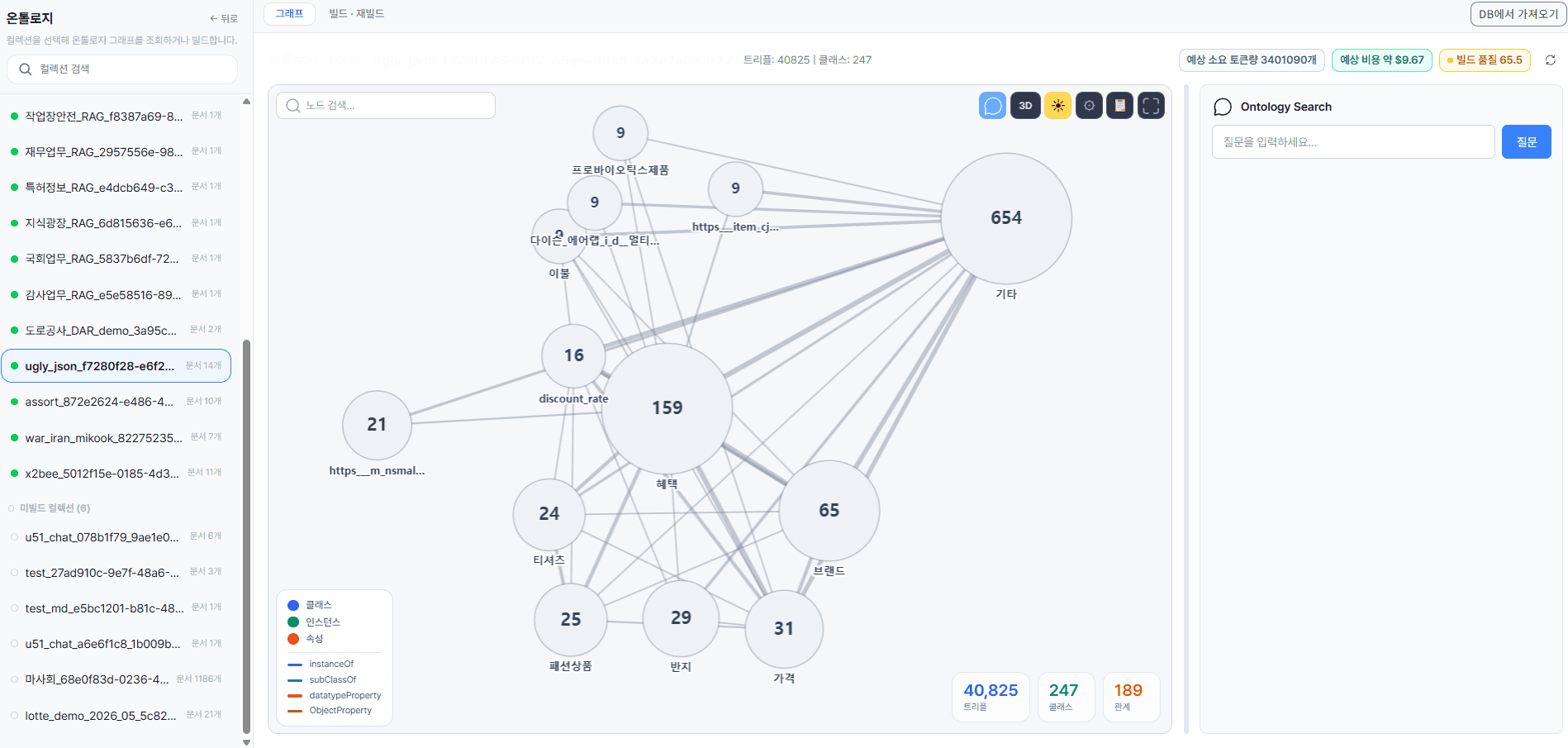
Ontology knowledge graph
03
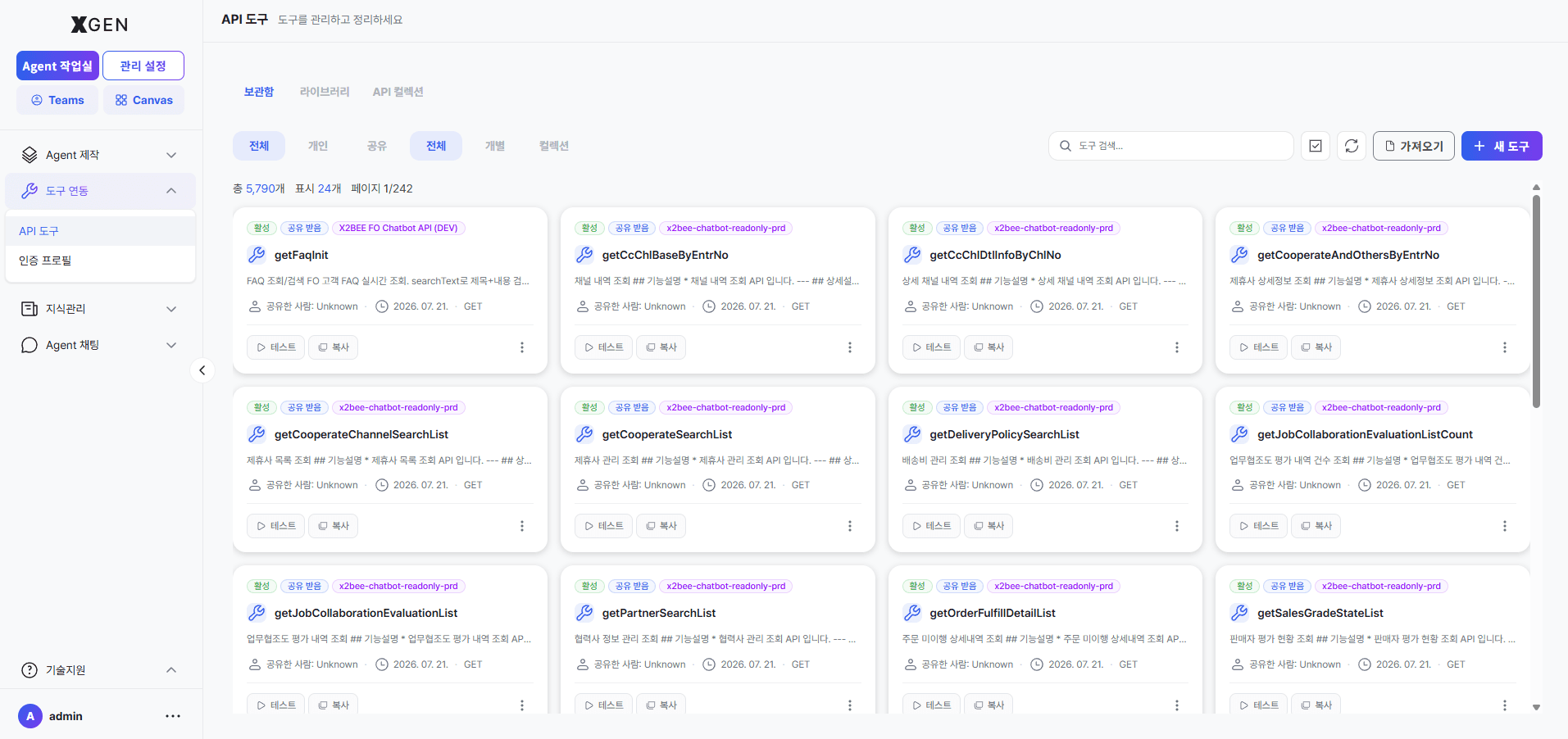
Tools · MCP
Tool integration and extension
Register external APIs and functions as tools an agent can call, and connect models to external tools through the MCP standard. Credential profiles keep keys and tokens managed safely.
API tool registration and calling
MCP standard integration
Centralized credential profiles
API tool integration
04
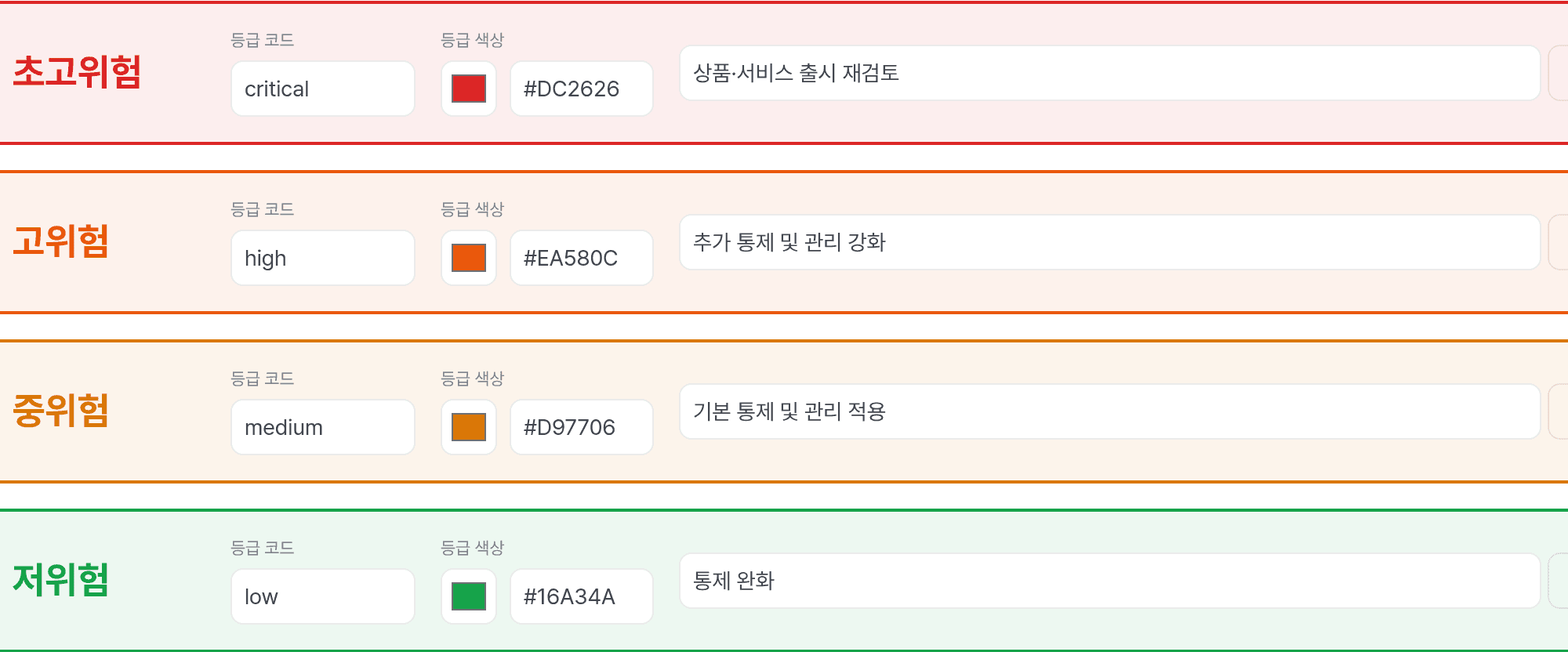
AI Governance
Approval route setup and AI risk review
Assign collaborating departments, governance officers, or information-security managers as approvers for an AI service risk review. Configure approval routes by organization and risk level, then manage every review, decision, and audit record consistently.
Risk-based review requests
Cross-functional, governance, and security approval routes
Review decisions and audit records
01 · Approval routing
02 · AI risk grades
Actual development-site captures · Personal names masked
05
Deploy · Operate
Agent and app deployment and operation
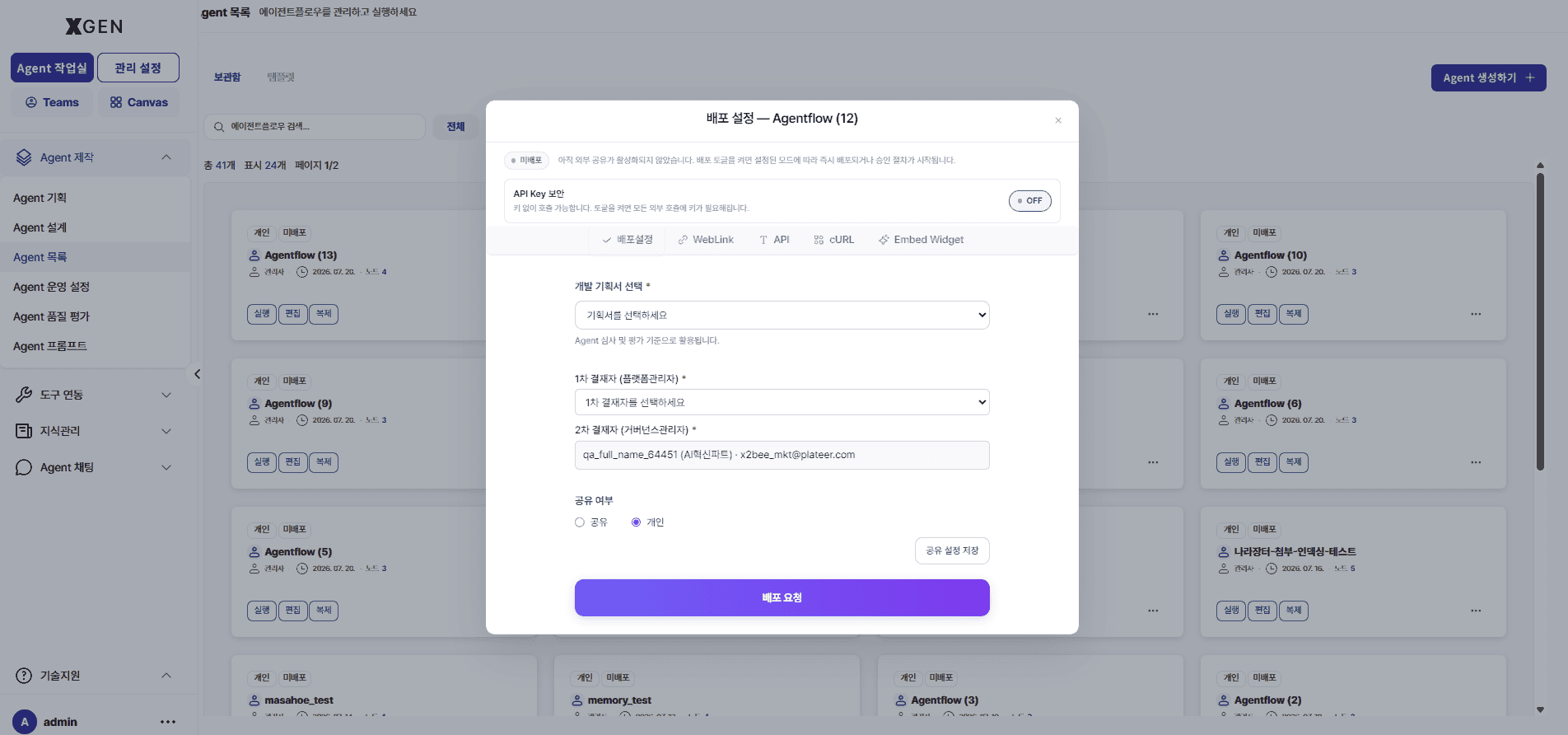
Two deployment paths serve different purposes, and the deployment environment can be customized to your infrastructure.
Agent deployment
Users share agents built in their own development environment with colleagues. External system calls, web embedding, and scheduled runs are also supported.
Share with colleagues, embed
Scheduled execution (cron)
Version and deployment state
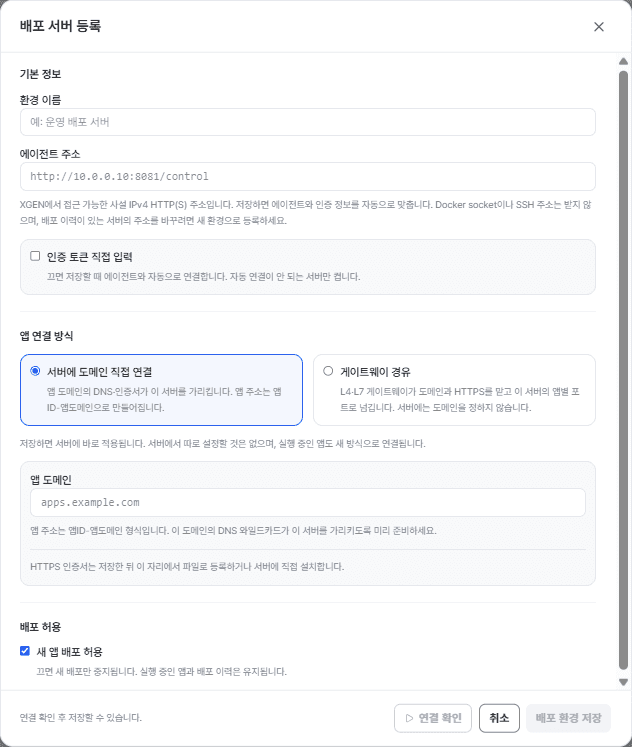
App deployment
Apps built with vibe coding are provided in a per-user development environment. For public release, users request deployment from a system administrator, and the app is served through a registered deployment server.
Per-user app development environment
Public release by administrator request
Deployment server and app domain setup
01 · Agent deployment
02 · App deployment server
Actual product screens · Available options can vary by configuration
06
Dashboard
Dashboard and monitoring
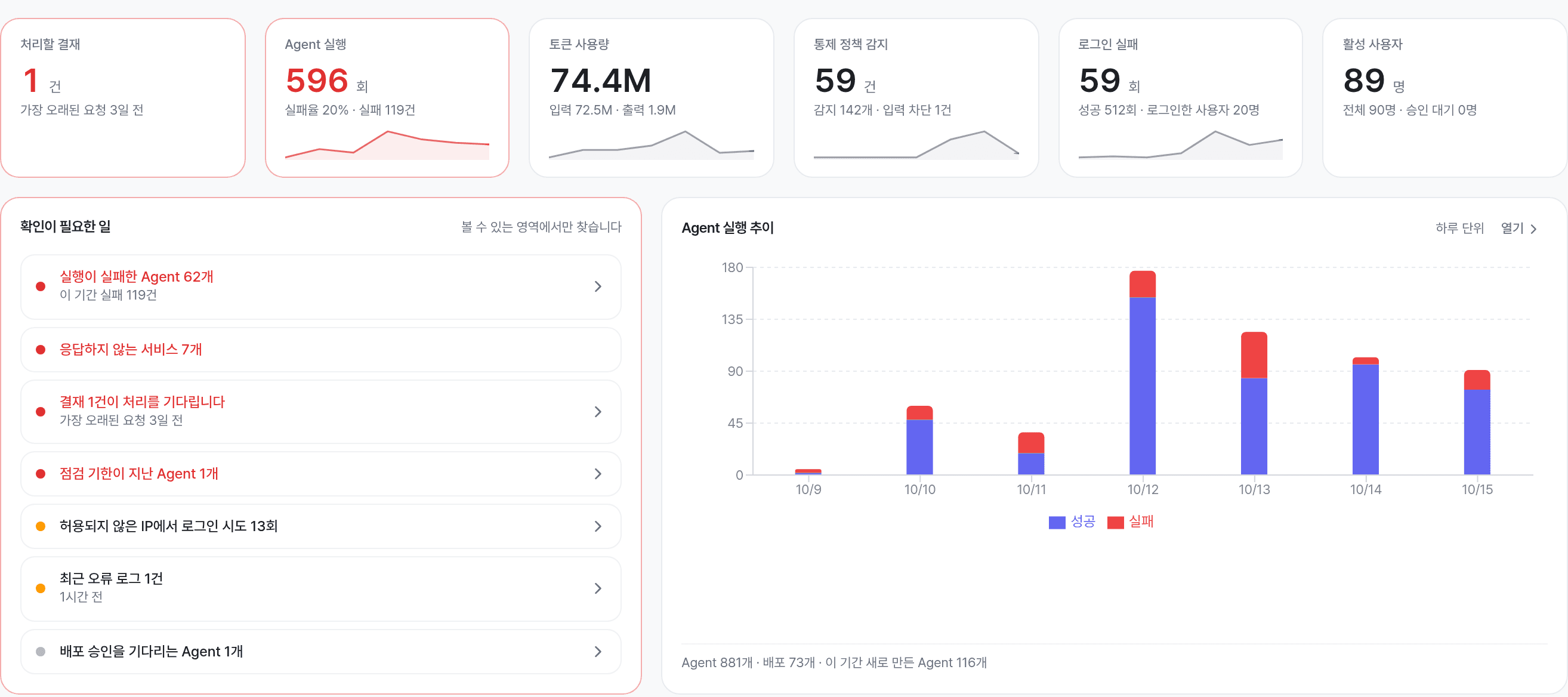
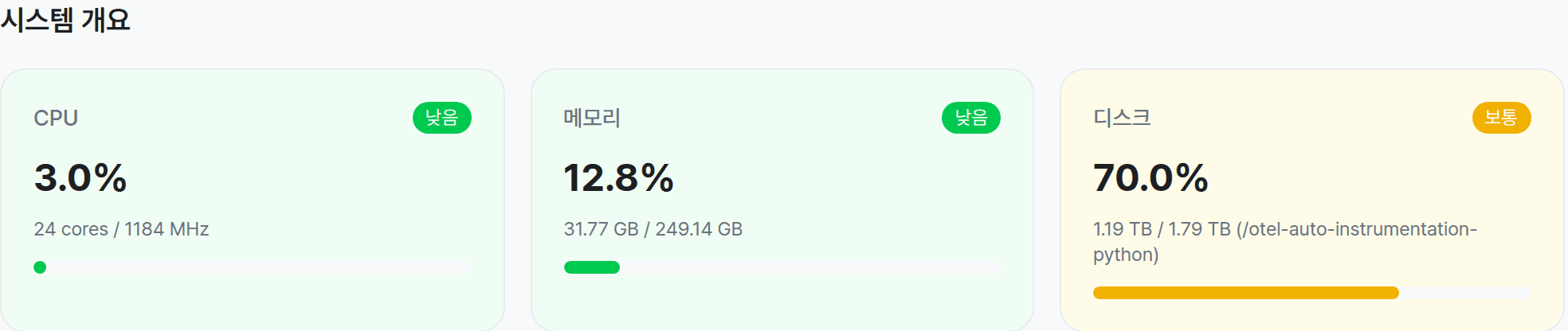
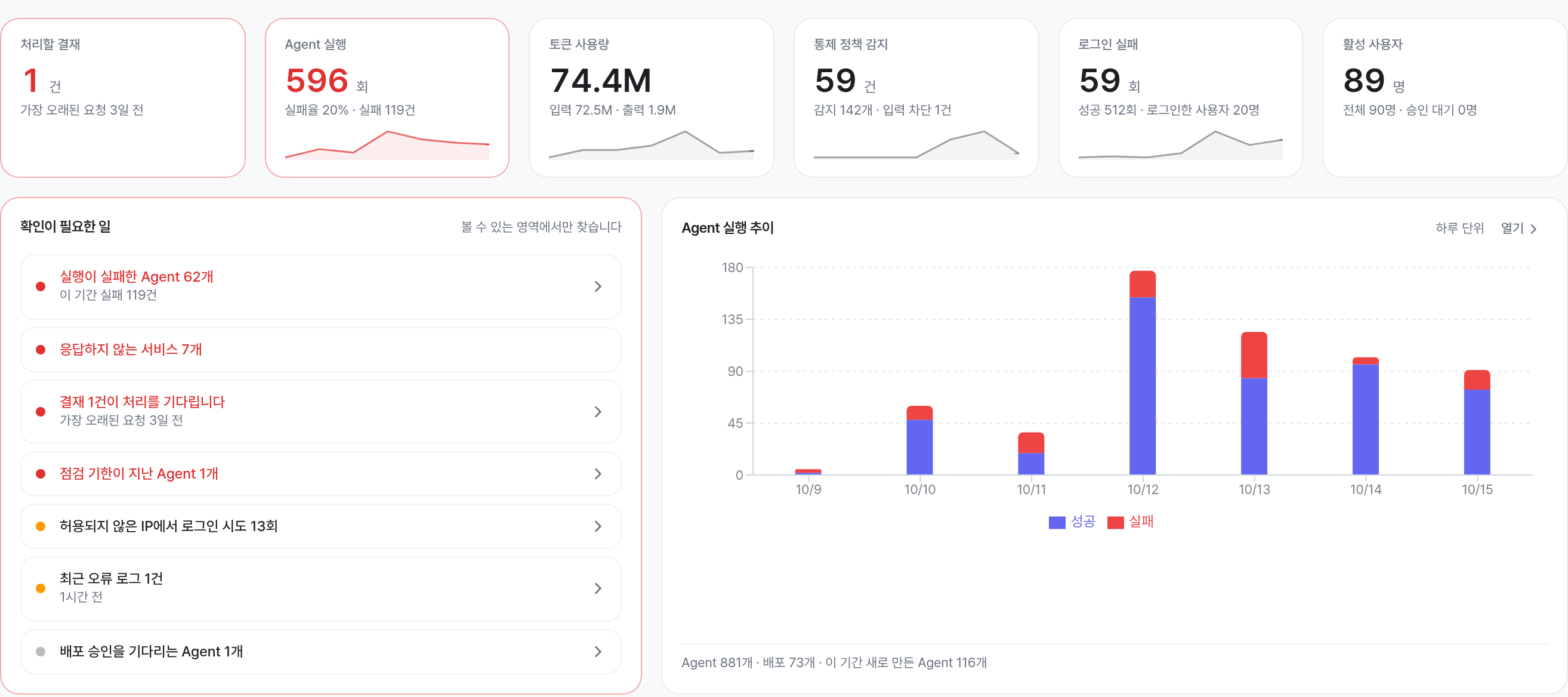
Role-based widgets put status and statistics on one screen. Execution history, token usage, and system health, seen from an administrator's perspective.
Role-based widget dashboard
Execution history and token usage
System health monitoring
01 · Operations dashboard
02 · System monitoring
Actual development-site captures · Values shown at capture time
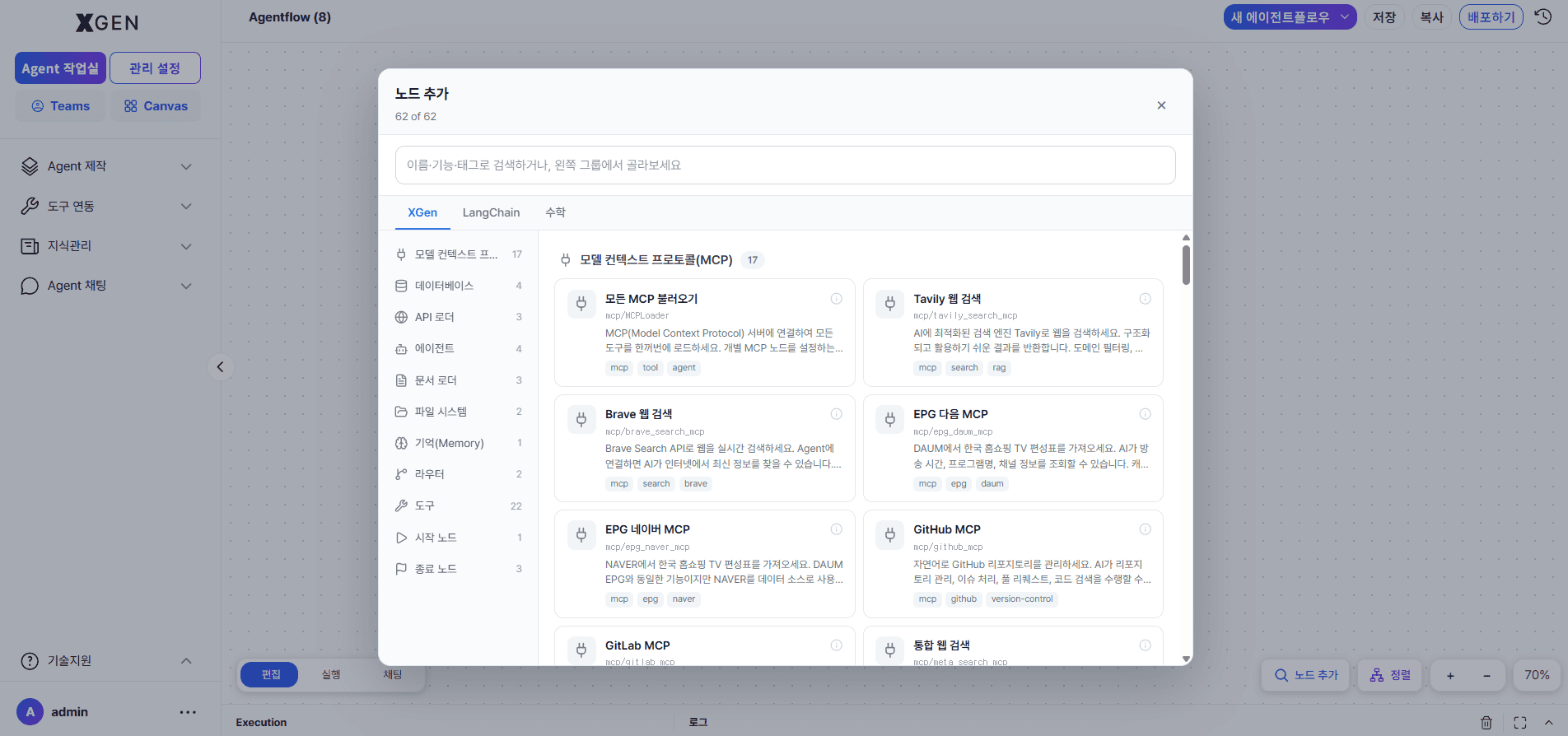
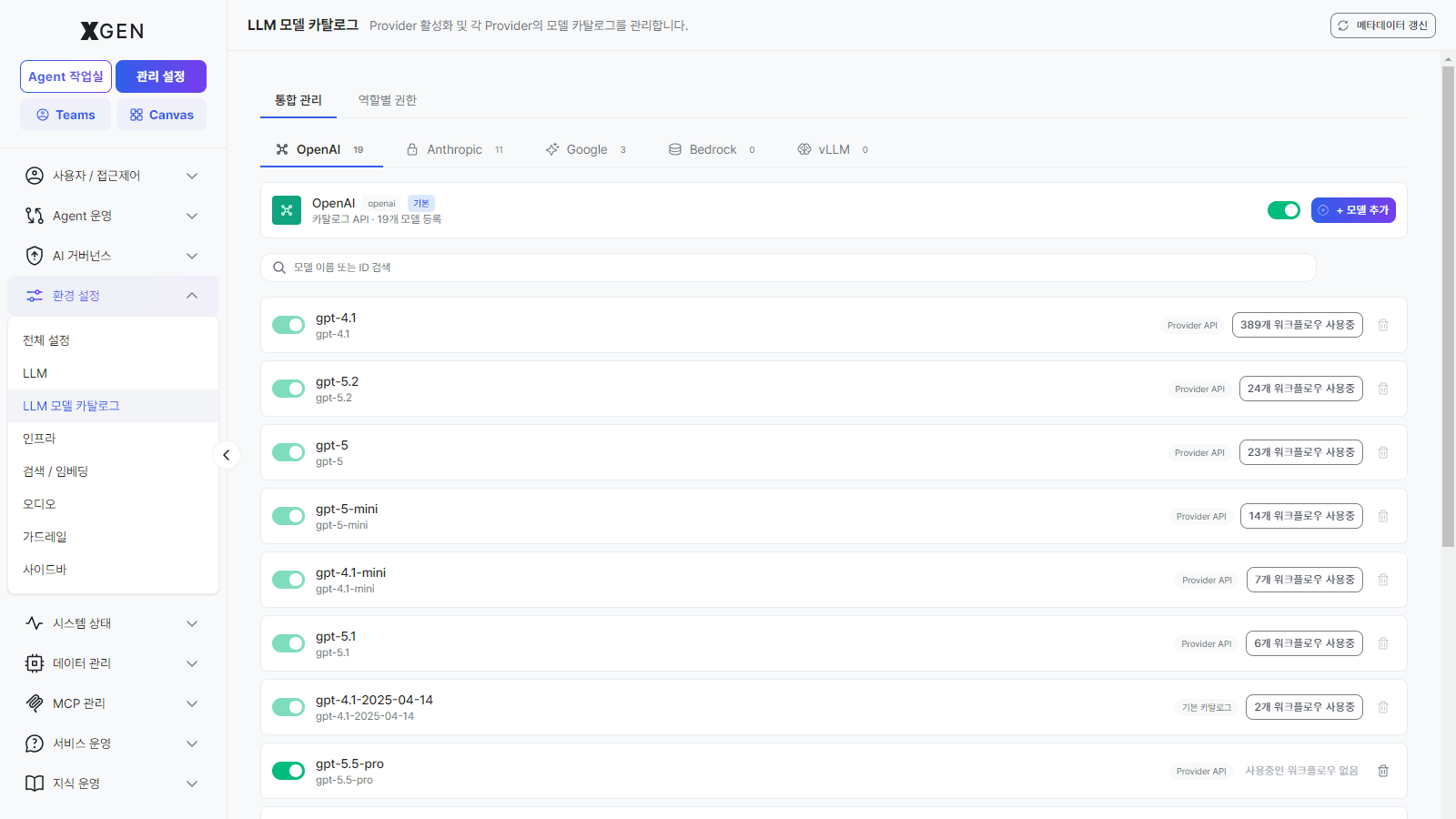
More product screens
Workflow node editing
LLM model catalog
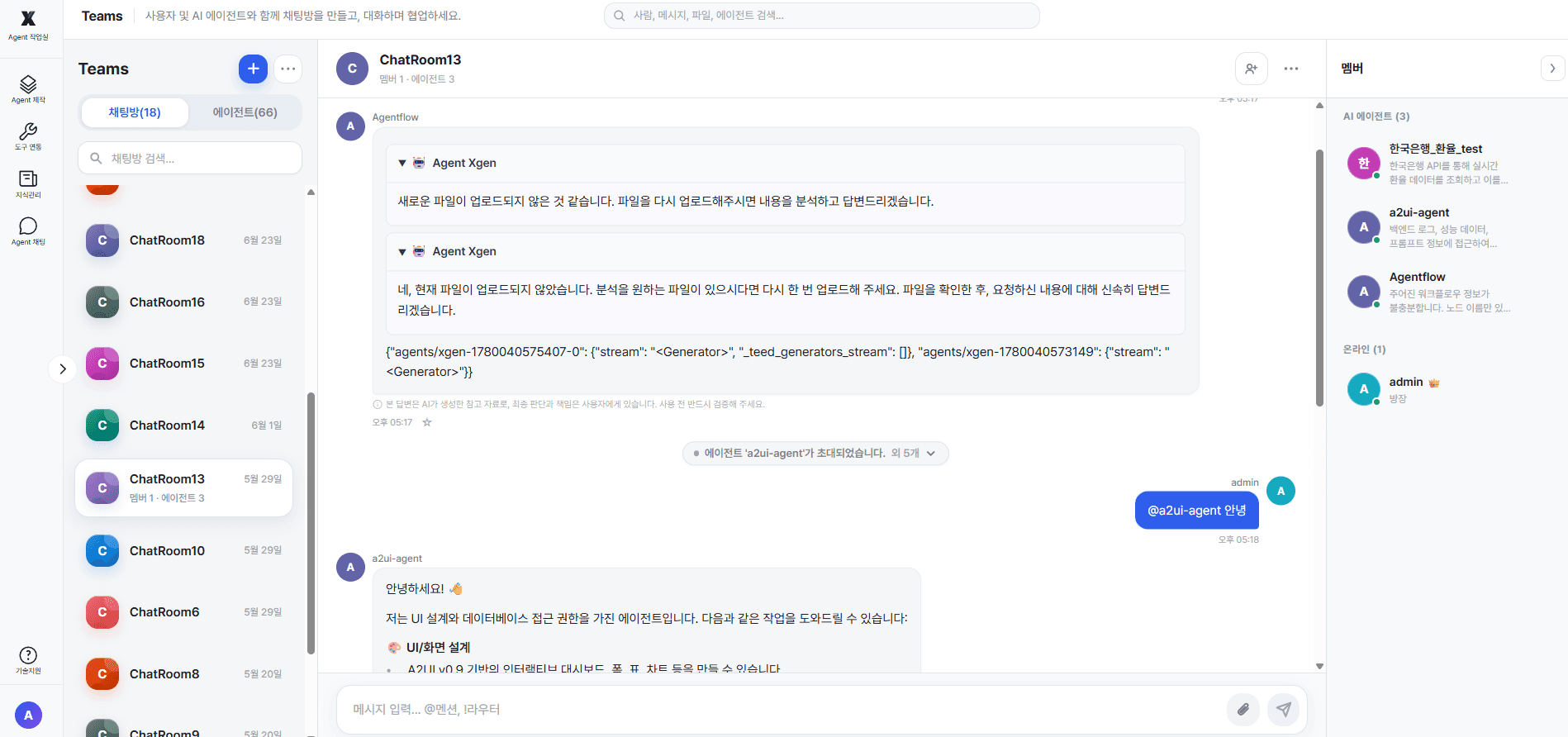
Team collaboration and agent testing
Core Technology · 6 Layers
A six-layer core architecture for Enterprise AI
From infrastructure up to AI agents, the core technology enterprise AI operation needs, integrated into one platform.
XGEN is not bound to a particular AI model or cloud. A standards-based six-layer architecture connects and operates on-premise GPUs, commercial AI APIs, and internal systems in a consistent way.
An agent runtime that carries work forward, beyond answers
Geny is the runtime inside XGEN that defines how agents work. With Memory, Workspace, Tools, and Schedule built in, it helps an agent pick up earlier context and build on past results in the next task. The existing way of building agents in XGEN Canvas stays the same.
Memory
Collects information from conversations and tasks, and finds what later work needs.
Workspace
Keeps documents, materials, and tools in a separate workspace per agent. Shared agents and tools build up as organizational assets.
Tool Search
Finds the tools the current task needs instead of loading every connected tool at once.
Tool Creation
When a needed tool does not exist, the agent writes and tests the code and saves it to the Workspace.
Schedule
Runs recurring work, such as regular reports and data checks, at set times.
Geny RSI
After each conversation, reviews how the work went and adjusts its instructions and tool setup for the next one.
Controls for enterprise operation
Execution control · Runs within XGEN's permission, security, and governance framework, in the scope your organization allows.
Version pinning · Preserves an agent as verified and deploys that pinned copy, keeping improvement separate from service operation.
Geny defines how an agent works; DexOn defines how far it can reach. Together, an agent can use the work environment on user devices within the allowed scope.
Geny is generally available in production. Availability can vary by environment and configuration.
Separate agent reasoning from execution,
and keep credentials outside the runtime
Agents run code and reach external systems. XGEN separates where decisions and execution happen, and designs the execution environment on the assumption that a malicious document or prompt injection can lead an agent to run the wrong command.
Isolated execution per agent
The Harness, which reasons and directs work, and the Sandbox, which runs code, are separate services.
Code runs in an isolated container for each agent.
The working environment persists after a session ends and carries over to the next one.
Credential design that assumes compromise
Agents and execution environments do not hold long-lived credentials such as API keys or OAuth tokens for external services.
When an external connection is needed, the API verifies delegated user permission and agent identity before passing credentials.
Secret values are masked before they reach execution records.
Isolation level and permission scope can vary by deployment environment and configuration.
For Every Role
Everyone focuses on their own role
Planners, developers and administrators each use, build and govern AI from where they sit.
On-Premise
Data stays inside the company, and gets used with confidence
XGEN supports processing within the enterprise security boundary when configured with internal models. External integrations require review of data transfer scope and provider training and retention policies.
Internal data processing
On-premise deployment with internal models supports processing within your security boundary. External integrations require separate transfer policies.
Network separation and air-gap
Deploys and runs in network-separated and air-gapped environments, meeting the closed-network requirements of finance and the public sector.
External training controls
Controls help restrict the use of customer data for external model training. External integrations require review of provider training and retention policies and contract terms.
From closed-network intake through proof, build, and operation, support is staged around the on-premise environment. Once intake completes, proof starts quickly, supporting pre-production validation and early results.
01
Intake
Installed into your infrastructure (on-premise or air-gapped) through the closed-network intake process.
02
Proof of concept
Validated quickly against real data, settling the domain requirements and review rules.
03
Build
Domain tools, knowledge, and agents configured and integrated around the organization's work.
04
Operate
Controlled deployment, monitoring, and improvement continue through the GitOps pipeline.
XGEN traces who did what and when, verifies risky changes before deployment, and is designed so that only approved agents reach production. It provides governance you can rely on in regulated industries and on-premise environments.
Tier (Standard/SuperUser), role, and permission (ABAC keys) as independent layers, gating access down to individual screens and buttons.
Dual-approval deployment
Turning something into a service requires passing two stages: deployment approval from a system administrator and approval from a governance officer.
PII masking and risk grading
Personally identifiable information is masked automatically, and the risk level of requests and responses is classified and controlled.
Audit logs and scheduled review
User activity and system events are retained, and deployed agents are reviewed on a schedule.
Unauthorized access prevention
MFA (OTP), IP allowlisting, and session timeouts are applied together, so only permitted users get through.
Security built in from development
OWASP ZAP is embedded in the development and CI/CD pipeline to check vulnerabilities automatically before release — shift-left security.
Certifications & Quality
National quality and reliability certification
XGEN has been awarded Grade 1 GS certification and is undergoing AI-MASTER, the AI reliability certification. Accredited third-party laboratories verify the product's quality and reliability.
Awarded
XGEN · GS certification, Grade 1
Good Software Certification · highest grade
XGEN has been awarded Grade 1 in GS (Good Software), Korea's national software quality certification. TTA, an accredited third-party laboratory, tested functionality, reliability, usability, and overall quality, and verified it at the highest grade.
Certificate No.: 26-0296
National certificationThird-party testing · TTAHighest grade · Grade 1
Certification in progress
AI-MASTER
AI reliability certification · Korea AI Industry Association (AIIA)
XGEN is undergoing AI-MASTER, an AI reliability certification in which a third party verifies the reliability, transparency, and robustness of the AI.
AI reliability assessed against international standards (EU Trustworthy AI, ISO/IEC)
AI governance documentation review alongside functional testing (63 quantitative criteria)
Started June 2026 · roughly a 13-week assessment when it runs to plan
XGEN is an on-premise Enterprise AI platform — an agent development environment for designing, deploying, operating, and governing Agentic AI services on the LLMs and infrastructure you choose. It is not a finished service delivered to you; you build and run the agents your organization's work needs on top of XGEN. It was designed and developed by the Plateer AI Labs AI research team.
Which LLMs and foundation models can we use?
You are not tied to a particular model. Choose among open-weight models such as Qwen and our own sLLM (Polar) by purpose, cost, and accuracy, and serve them on the GPUs and infrastructure you already own. The management center configures the LLM, vector DB, and the rest of the system in detail.
Does it handle non-text documents like images, tables, and charts?
Past simple text extraction (OCR), a VLM (vision-language model) reads the context of images, tables, charts, and graphs. OCR is one capability within the VLM; where needed, an open-weight VLM is served directly to turn charts and graphs into text, vectorize them, and use them in answers. This is already applied in commerce and finance settings.
Can a knowledge graph (ontology) be built from our messy data?
Yes. Even without tidy data, accumulating a few months of it and constructing an ontology links the different expressions of the same entity (for example US, USA, United States) into one. The richer the data the better the quality gets, and domain terminology mapping and review-rule design happen alongside. We have introduced knowledge graphs in commerce and financial projects.
How do you secure the answer quality of RAG and the knowledge graph?
Quality is scored on RAGAS from preprocessing through answer verification and evaluated across several dimensions. Preprocessing strategy is also selected automatically by document type — an adaptive pipeline where the LLM judges the document type and adjusts whether OCR or VLM applies, along with chunking and overlap parameters.
How does it integrate with our legacy systems?
You don't need to build new screens. LLM and RAG integration is composed as nodes and provided as snippet code, so adding a single button to an existing system to call it is entirely workable. XGEN is plugin-structured throughout — around 80 built-in tools combined with quickly-built custom tools keep integration and customization effort to a minimum.
What happens when an agent produces a wrong result?
A first filter applies at creation through risk assessment and administrator approval, and if something goes wrong in operation an admin kill switch stops the service immediately. Where accuracy is decisive we apply human-in-the-loop, designing the AI to raise throughput through pre- and post-processing rather than replacing the work entirely, with a person confirming the result before the next step.
How is data security managed?
On-premise deployments using internal models can process data within the enterprise security boundary and support network-separated and air-gapped environments. RBAC/ABAC manages access. External model and tool integrations require separate review of data transfer scope and provider training and retention policies.
Can we build agents without coding?
Yes. Agentflow's drag-based visual canvas lets you design a workflow without code, validate it in live chat, and deploy it as an API or workflow.
How are open-source licenses managed from a procurement and legal perspective?
We check and provide the obligations attached to each license type of the open source that makes up XGEN (copyright notices, NOTICE files). Components and obligations can vary with the delivered version and configuration, so we prepare a component-by-component license inventory during evaluation.
Get Started
Turn AI projects into assets that keep evolving
Start with a 15-day trial in your browser, or see the full build–deploy–govern flow in a demo.